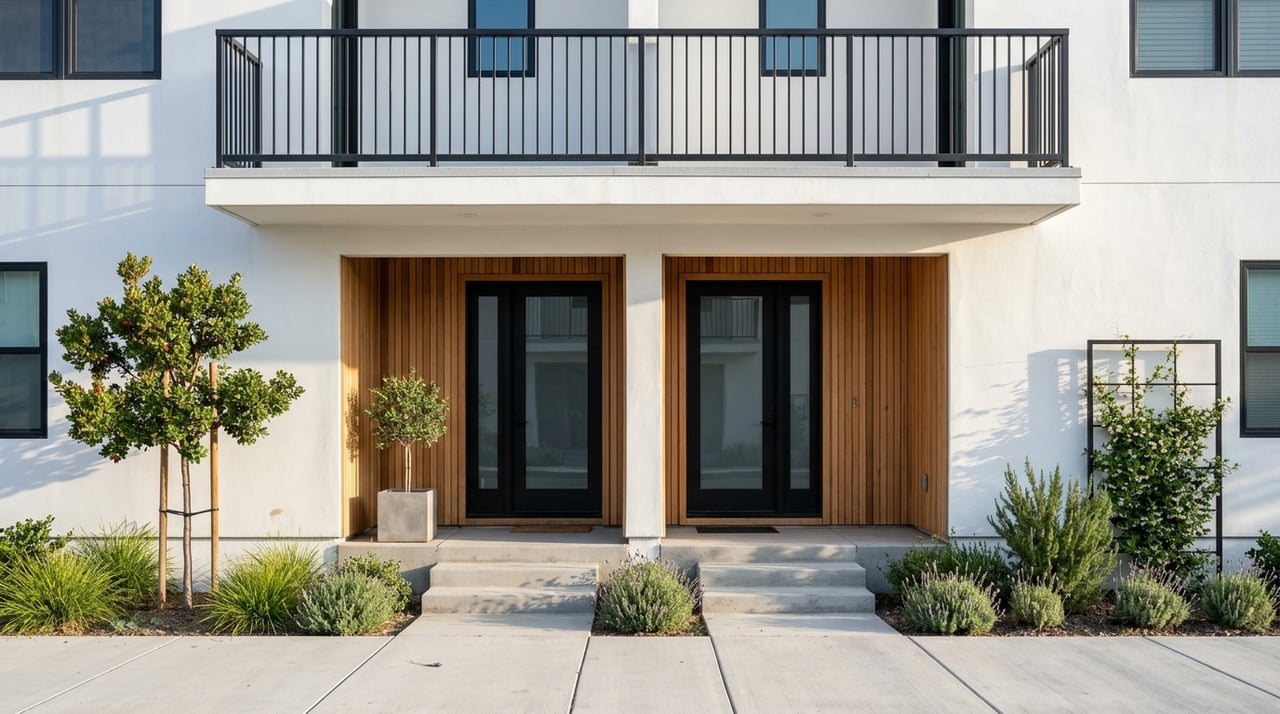
Santa Clara Condo vs House: How to Decide
April 16, 2026
April 16, 2026
Trying to choose between a condo and a single-family home in Santa Clara? You are not alone. For many buyers, this decision comes down to a real trade-off between a lower entry price today and more flexibility later. If you want to make a smart move without second-guessing the monthly cost, upkeep, or future potential, this guide will help you sort through the numbers and the practical realities. Let’s dive in.
Santa Clara is a competitive market, so the type of home you choose can shape your budget and lifestyle for years. The local price gap between attached and detached homes is still large enough that many buyers naturally start with condos or townhomes before considering a single-family property.
Countywide data cited by the City of San José from the Santa Clara County Association of Realtors showed a September 2025 median sale price of $1.65 million for single-family homes versus $818,000 for condos and townhomes. The same source reported average days on market in June 2025 of 25 for single-family homes and 44 for condos and townhomes. Those numbers suggest attached homes can offer a more accessible entry point, while detached homes may appeal more to buyers focused on long-term flexibility.
The first mistake many buyers make is focusing only on purchase price. In Santa Clara, a condo may cost much less upfront, but that does not always mean it will feel much cheaper month to month.
A better way to compare options is to use this simple formula:
Fannie Mae’s home maintenance guidance recommends budgeting for ongoing upkeep, and it also notes that closing costs often run about 2% to 5% of the loan amount. On top of that, the latest Freddie Mac weekly average for a 30-year fixed mortgage was 6.37% on April 9, 2026, which makes monthly carrying cost an especially important part of your planning.
For condos and many townhomes, HOA dues are a separate monthly cost. According to the Consumer Financial Protection Bureau, HOA or condo fees are usually paid directly to the association and can range from a few hundred dollars to more than $1,000 per month.
That matters because a lower purchase price can lose some of its advantage once you add HOA dues every month. Depending on the building and amenities, your condo payment may land closer to a single-family payment than you expected.
Both condos and single-family homes are subject to California property tax rules under Proposition 13. The Santa Clara County Assessor’s annual report explains that the basic tax rate is capped at 1% of taxable value plus voter-approved bonded indebtedness, and annual assessed value increases are generally limited to 2% unless there is a change in ownership or new construction.
If you plan to live in the home as your primary residence, you may also qualify for the homeowners’ exemption. In Santa Clara County, that can reduce assessed value by up to $7,000, which saves roughly $70 to $80 per year.
Your day-to-day ownership experience can look very different depending on the property type. This is where lifestyle and time commitment become just as important as price.
With a condo, you usually own the interior space while sharing ownership of the exterior and common areas with other owners. Fannie Mae’s condo buying guide explains that condo owners jointly own common areas, and the HOA often handles exterior maintenance and shared services.
That can mean less time spent on landscaping or exterior repairs. It can also mean less control over how and when certain work gets done, because those decisions are often made by the HOA board.
With a single-family home, you generally take on more direct maintenance responsibility. You may need to budget for roof work, exterior paint, drainage, landscaping, fencing, and other repairs yourself. The upside is that you usually have more autonomy in how you maintain and improve the property.
If future options matter to you, a single-family home often has a clear edge in Santa Clara. That is especially true if you are thinking beyond your immediate housing needs.
The City of Santa Clara’s ADU and JADU rules are built around single-family parcels. The city says ADUs are generally 220 to 1,200 square feet, can be attached or detached, and must include their own entry, kitchen, and bathroom. JADUs must be within the walls of a proposed or existing single-family home and can be no more than 500 square feet.
That gives detached-home buyers more room to think long term. You may want space for extended household use, future resale positioning, or added utility from the lot. Santa Clara also notes that its Building Simple Permits program is available for single-family dwellings, duplexes, and ADUs only, not for townhomes, apartment complexes, or condos.
Condos and townhomes can offer easier upkeep, but the trade-off is usually less freedom to modify the property. Because ownership is shared at the project level, HOAs often set rules about aesthetics, renovations, and use of common areas.
Fannie Mae advises buyers to ask about HOA rules, the master insurance policy, reserve funds, and any special assessments. These details can affect both your monthly cost and your ability to make future changes.
If you are buying a condo, the lender is often looking at more than just your income and credit. The condo project itself may be part of the approval process.
According to Fannie Mae’s condo guidance, lenders may review the community’s financial stability, physical condition, structural issues, pending lawsuits, outstanding debts tied to the project, and even whether the property is under an evacuation order. Buyers should also ask whether the community is renter-friendly if they may want to lease the home later.
This extra layer of review is one reason condos can require more due diligence than many buyers expect. You may also have a limited window to review condo documents after your offer is accepted, so it helps to move quickly and know what questions to ask.
Many buyers in Santa Clara are not just buying for today. They are also thinking about resale timing, future rental plans, or whether this home can serve them through a life change.
Single-family homes often appeal to buyers who want the broadest long-term flexibility. Condos can still be a smart choice, especially if your priority is getting into the market with a lower price point, but you should ask early about leasing restrictions, HOA approval requirements, and any project issues that could affect value later.
A practical way to think about it is this:
That framework fits the Santa Clara market based on local price gaps, shared-ownership structure, and city rules around ADUs and permitting.
The right choice depends on what you want your home to do for you over the next few years. Start by comparing not just the sticker price, but the full ownership picture.
A condo may make sense if you want:
A single-family home may make more sense if you want:
If you are stuck between the two, a side-by-side worksheet can help. Compare the purchase price, down payment, interest rate, taxes, insurance, HOA dues, and a monthly maintenance reserve for each option. That exercise often makes the trade-offs much clearer.
In a market like Santa Clara, the best decision is usually the one that matches both your current budget and your future plans. If you want help comparing specific properties, monthly cost scenarios, or the long-term upside of a detached lot, connect with Shawn Jahanbani & Lilly Yaz for practical guidance tailored to your goals.
Stay up to date on the latest real estate trends.
With 20 years in Bay Area markets, Shawn Jahanbani delivers zoning expertise, strategic property insight, optimization, and skilled negotiation to maximize value.