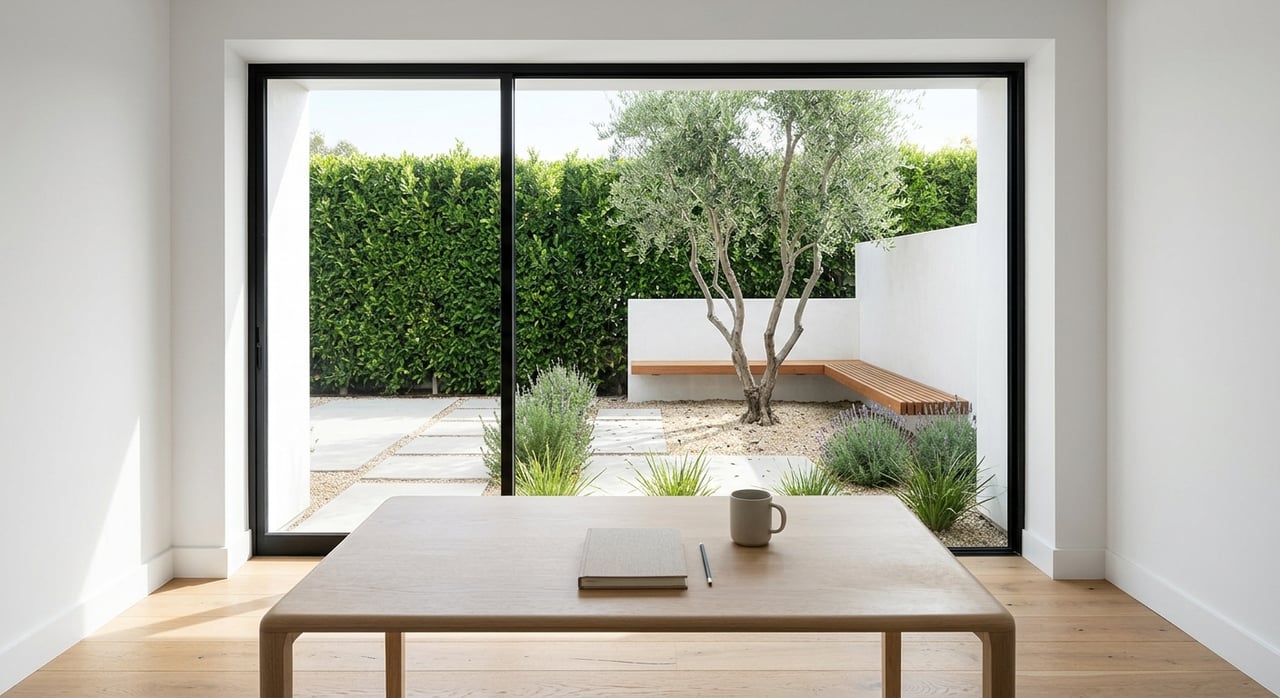
Relocating to Cupertino CA: Daily Life, Housing & Commutes
April 23, 2026
April 23, 2026
Thinking about moving to Cupertino? You are probably weighing three things at once: what daily life feels like, what your housing budget can realistically buy, and how hard the commute will be on a normal Tuesday. The good news is that Cupertino offers a clear mix of convenience, recreation, and access to Silicon Valley job centers, but it is also a high-cost market where planning matters. This guide will help you understand how Cupertino works day to day so you can make a smart relocation decision. Let’s dive in.
Cupertino is a compact city with about 58,710 residents across 11.33 square miles, which shapes how people use it every day. Instead of spending hours crossing town, many residents build routines around work, errands, parks, and civic spaces that are all relatively close together. According to the U.S. Census QuickFacts for Cupertino, the city also has strong home technology access, with 98.7% of households having a computer and 96.6% having a broadband subscription.
That matters if you work hybrid or remote at least part of the week. In practical terms, Cupertino often fits households who want a suburban setting while staying connected to major employment corridors. If your goal is to balance workdays, errands, and outdoor time without constant long-distance driving, Cupertino checks many of those boxes.
Cupertino is an expensive housing market, and it helps to understand that upfront. The same Census QuickFacts data shows that 60.6% of housing units are owner-occupied, the median value of owner-occupied homes is over $2,000,000, median monthly owner costs with a mortgage are over $4,000, and median gross rent is over $3,500. For many relocation buyers, that means your home search starts with trade-offs between housing type, location, and commute convenience.
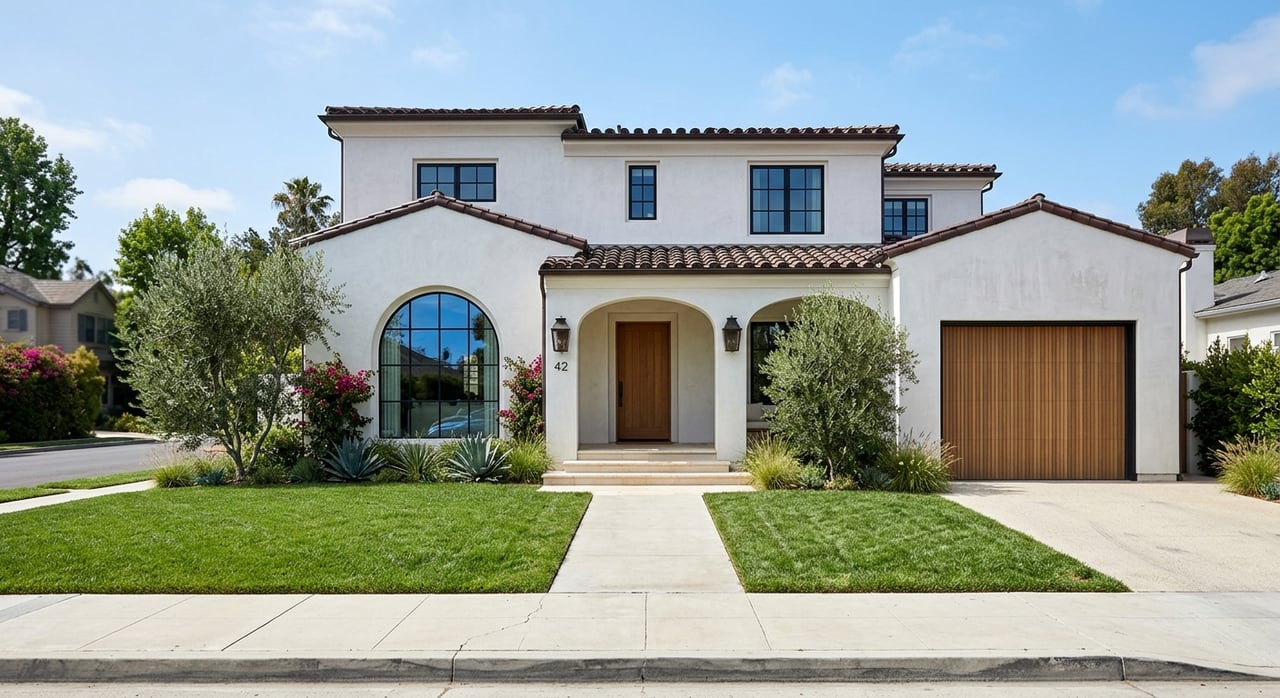
City planning documents show that Cupertino includes a mix of single-family homes, clustered homesites, townhomes, condominiums, and duplexes. Newer mixed-use housing and loft-style options have also been added around downtown areas such as Main Street and Nineteen800. That gives buyers and renters several different paths depending on lifestyle and budget.
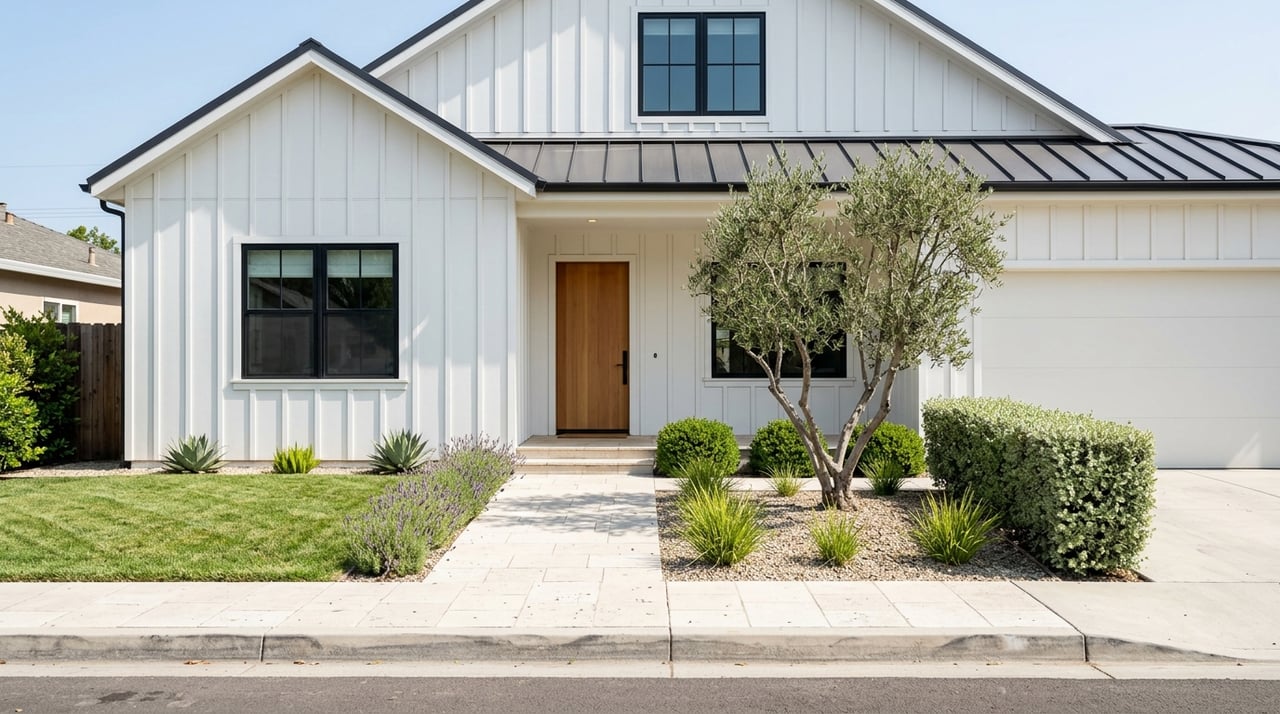
Established detached-home neighborhoods are often the first thing relocation buyers picture when they think of Cupertino. These areas typically appeal to people who want more private outdoor space, a traditional neighborhood layout, and a classic suburban feel. In a market with high home values, these homes often come with the biggest price tag, but they remain a central part of Cupertino’s housing identity.
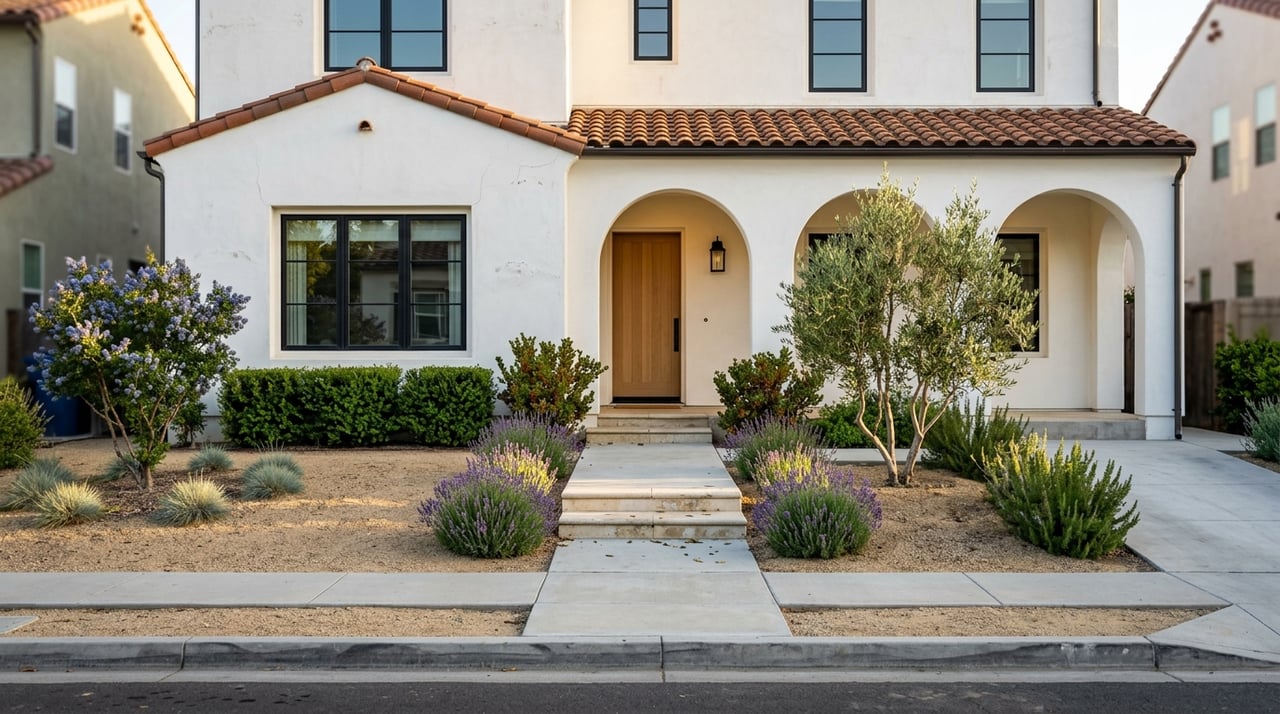
Townhomes, condos, and duplex-style properties can be a practical option if you want Cupertino access with a different price point or a lower-maintenance setup. Attached housing can also make sense if you value convenience, a lock-and-leave lifestyle, or a location closer to major roads and shopping areas. For many relocation buyers, this category is where affordability and location start to balance out.
If you want a more walkable daily routine, newer mixed-use housing near retail nodes may stand out. City documents point to downtown product around Main Street and Nineteen800, where housing is tied more closely to shopping and dining destinations. For some households, that setup offers an easier rhythm for grabbing groceries, meeting friends, or running short errands close to home.
Commute planning is one of the biggest parts of relocating to Cupertino. The city’s transportation network centers on Interstate 280, State Route 85, Lawrence Expressway, De Anza Boulevard, Stevens Creek Boulevard, and Wolfe Road. If you are moving for work in Silicon Valley, those routes will likely shape your day.
The Census QuickFacts page lists Cupertino’s mean travel time to work at 23.6 minutes. That number gives useful context, but your actual commute will still depend on where you live, where you work, and how often you need to be on site. For many buyers, the real decision is not just how long the drive is, but how much flexibility they want if traffic builds or work patterns change.
For most residents, driving remains the default commute mode. Cupertino is closely tied to the regional freeway and expressway system, which is one reason it continues to appeal to professional households who need access to multiple job centers. Apple Park is located in Cupertino at One Apple Park Way, which also makes the city a destination commute for many workers, not just a place people sleep after work.
Cupertino also has local VTA bus service, with city budget documents listing routes 23, 25, 51, 53, 55, 56, Express 101, and Rapid 523 passing through the city. One of the more practical options is VTA Rapid 523, which runs every 20 minutes on weekdays from 5:30 a.m. to 11:00 p.m., with the same 20-minute pattern on weekends. If you want a transit fallback for east-west travel, that route is worth knowing.
Regional rail access comes from nearby stations rather than a Cupertino station. According to Caltrain’s electrified service plan, the system offers 15- to 20-minute peak service at 16 stations, along with 30-minute weekend, mid-day, and evening service. Nearby South Bay and Peninsula stations such as Sunnyvale, Santa Clara, Mountain View, and Palo Alto can matter a lot if your work or family routine extends beyond Cupertino.
One of the biggest quality-of-life advantages in Cupertino is how much daily life connects back to parks and civic amenities. City planning materials describe about 224 acres of city-managed parks, trails, and recreation facilities. That gives the city a stronger recreation presence than some people expect when they first focus only on housing costs.
Memorial Park is one of the clearest examples. City materials describe Memorial Park as a 22-acre community park on Stevens Creek Boulevard with an amphitheater, event lawn, playgrounds, walking paths, and both the Quinlan Community Center and Cupertino Senior Center. It is not just green space. It is a place where city programming and everyday recreation overlap.
McClellan Ranch Preserve offers a different kind of outdoor experience. The city describes it as a nature and rural preserve with community gardens, riparian habitat, Stevens Creek Trail access, wildlife views, and naturalist-led programs. If your ideal weekend includes walking, jogging, or spending time outdoors without leaving the city, this part of Cupertino’s identity is worth paying attention to.
Relocation decisions are often easier when you can picture your weekends, not just your workdays. In Cupertino, the Cupertino Library at 10800 Torre Avenue is an important community hub with meeting rooms, free Wi-Fi, EV charging, and after-hours book return. The library’s transit page also notes that VTA Route 53 stops nearby on De Anza Boulevard, which adds another layer of convenience.
The Civic Center Plaza also helps define the city’s civic rhythm. Planning materials describe features such as an interactive fountain, benches, landscaping, Wi-Fi, and regular community events. Together with local programming, town halls, and public gatherings, these spaces help make Cupertino feel active without feeling hectic.
Weekends often center on parks, errands, and local markets. City budget materials identify two farmers’ markets in Cupertino: one on Fridays at Creekside Park and one on Sundays at the Senior Center and Memorial Park parking lot. For newcomers, that kind of recurring routine can make a new city feel familiar pretty quickly.
Everyday convenience matters more than people expect during a relocation. Cupertino’s retail anchors include Main Street/Nineteen800, Cupertino Village, The Marketplace, and Homestead Square. City budget materials also note that Cupertino Village includes 99 Ranch Market and that Homestead Square includes Safeway and Starbucks.
In real life, that means many residents can handle groceries, coffee, and casual meals without going far. If you value a city where the practical parts of life are easy to manage, this is one of Cupertino’s strengths. It supports a lifestyle where you can keep most errands local and save longer drives for work or special plans.
Cupertino tends to work well for buyers and renters who want access to Silicon Valley job centers, strong daily convenience, and a city layout that supports both work and downtime. It is especially appealing if you want choices between detached homes, attached housing, and newer mixed-use areas rather than one single housing model. The trade-off, of course, is cost.
If you are relocating, the smartest approach is to look at Cupertino through three lenses at once: housing type, commute pattern, and everyday routine. A home that looks perfect on paper may feel less ideal if the commute is tougher than expected, while a different housing type may create more flexibility and keep you closer to the amenities you use most. The right move usually comes from matching your day-to-day life to the part of Cupertino that fits it best.
If you are planning a move and want help comparing housing options, commute trade-offs, and neighborhood fit in Cupertino, connect with Shawn Jahanbani & Lilly Yaz. Their local market insight and practical guidance can help you move with more clarity and confidence.
Stay up to date on the latest real estate trends.


With 20 years in Bay Area markets, Shawn Jahanbani delivers zoning expertise, strategic property insight, optimization, and skilled negotiation to maximize value.