Fremont CA Lifestyle and Housing: What to Expect
March 5, 2026
March 5, 2026
Thinking about a move to Fremont and wondering what day-to-day life actually feels like? You are not alone. Fremont attracts buyers for its mix of suburban calm, strong amenities, and access to major Bay Area job centers. In this guide, you will get a clear picture of neighborhoods, commutes, parks, schools, and housing costs so you can decide if Fremont fits your lifestyle and budget. Let’s dive in.
Fremont sits in southern Alameda County with about 228,000 residents. It is one of the Bay Area’s most diverse cities, with a large foreign-born population and a household size that averages about 2.9 people. Owner-occupied housing is roughly 61 percent. The city also ranks high on income and education. Median household income sits near $181,500, and about 64 percent of adults hold a bachelor’s degree or higher, according to the latest Census QuickFacts for Fremont.
Commuting is a big part of life here, but it is manageable for many households. The mean one-way travel time is about 30.3 minutes per the same census data. BART and express buses serve key routes, which helps if you work in Oakland or San Francisco, while drivers have reasonable access to the South Bay.
Fremont was formed from five historic towns, and those districts still shape how each area feels. The city highlights Mission San Jose, Irvington, Niles, Warm Springs, and Centerville as historic districts, with employment hubs like Warm Springs and Ardenwood to the north. You can explore the city’s official overview of historic districts to see how these areas fit together.
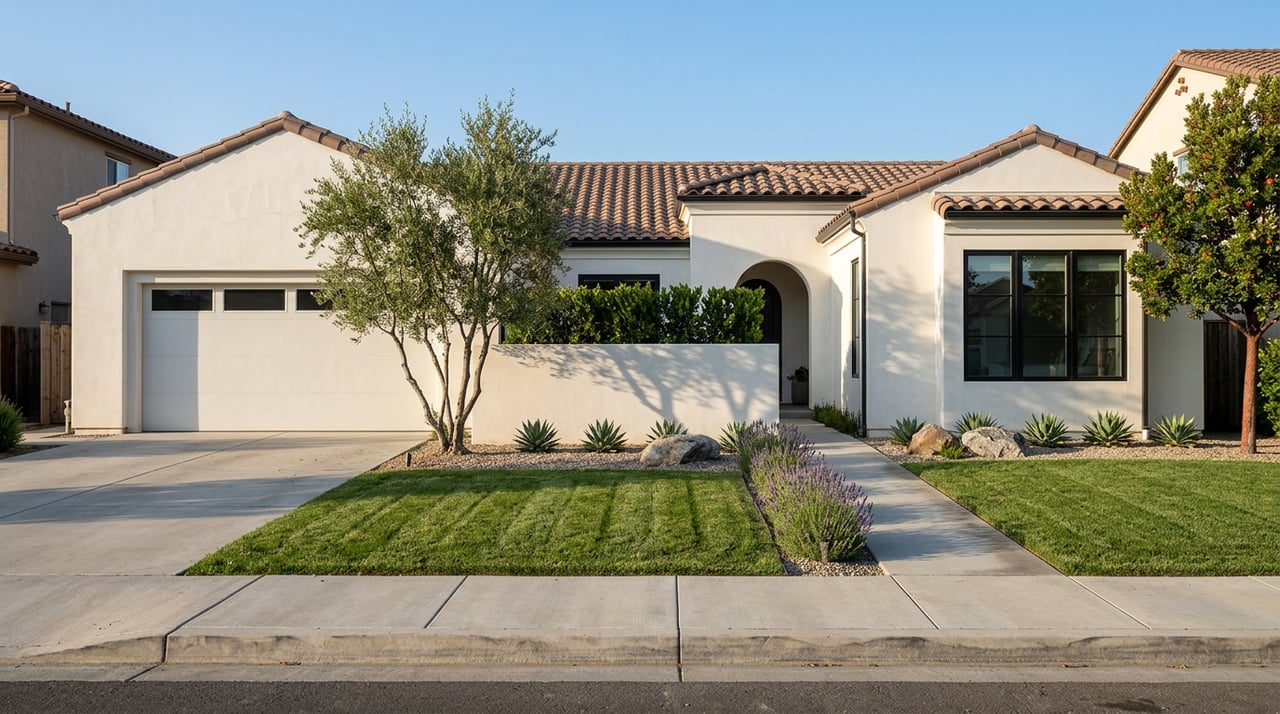
If you want hillside views, larger lots, and a quieter residential setting, Mission San Jose offers that classic suburban feel. Homes often skew larger, with more established yards. Many buyers look here for proximity to highly regarded public school options and a prestige address within Fremont.
Warm Springs is one of the most active areas for change in the city. Anchored by the Warm Springs/South Fremont BART station and major employers, this district features newer condos, townhomes, and mixed-use communities. The city also identifies Warm Springs as a key employment hub, so you will see a blend of residential growth and industrial or R&D uses. If you want easy BART access and newer construction, put this area on your list.
Irvington sits near the center of Fremont with older ranch homes, tree-lined streets, and quick access to freeways and the Fremont BART station. Washington Boulevard offers a diverse dining corridor with small local restaurants. With a planned BART station in the pipeline, Irvington is a district to watch for long-term transit convenience and retail growth.
Niles reads like a small town within the city. You will find a historic Main Street with local cafés, antiques, and community events. Housing includes early bungalows and some Victorian-era homes, which adds character and variety.
Centerville blends long-established neighborhoods with access to shopping at places like Fremont Hub. It is convenient to Quarry Lakes Regional Recreation Area, which is a go-to spot for picnics, fishing, and summer water activities.
If you want quick Dumbarton Bridge access to the Peninsula plus wetlands and open space nearby, look at Ardenwood and North Fremont. You are close to the Don Edwards Baylands and family-friendly destinations like Ardenwood Historic Farm. Subdivisions here are a strong match for buyers who want suburban convenience with an open-space backdrop.
Fremont is a great base for both ridge hikes and easy bayfront walks. You can head uphill to the east or out to the marsh and tidal flats on the west. That variety shapes weekend routines for many residents.
Central Park and Lake Elizabeth sit at the heart of the city with playgrounds, a lake loop, and frequent events. Between lake days, ridge hikes, and flat wetland trails, you have easy access to fresh air in all directions.
Two BART stations serve Fremont today: the Fremont station near the city center and the Warm Springs/South Fremont station in the south. The City of Fremont offers an overview of transportation and BART access, and you can follow updates on the planned Irvington BART Station project.
Your commute experience will vary by time of day and route. If transit access is a priority, living near Warm Springs BART or future Irvington BART can simplify your routine.
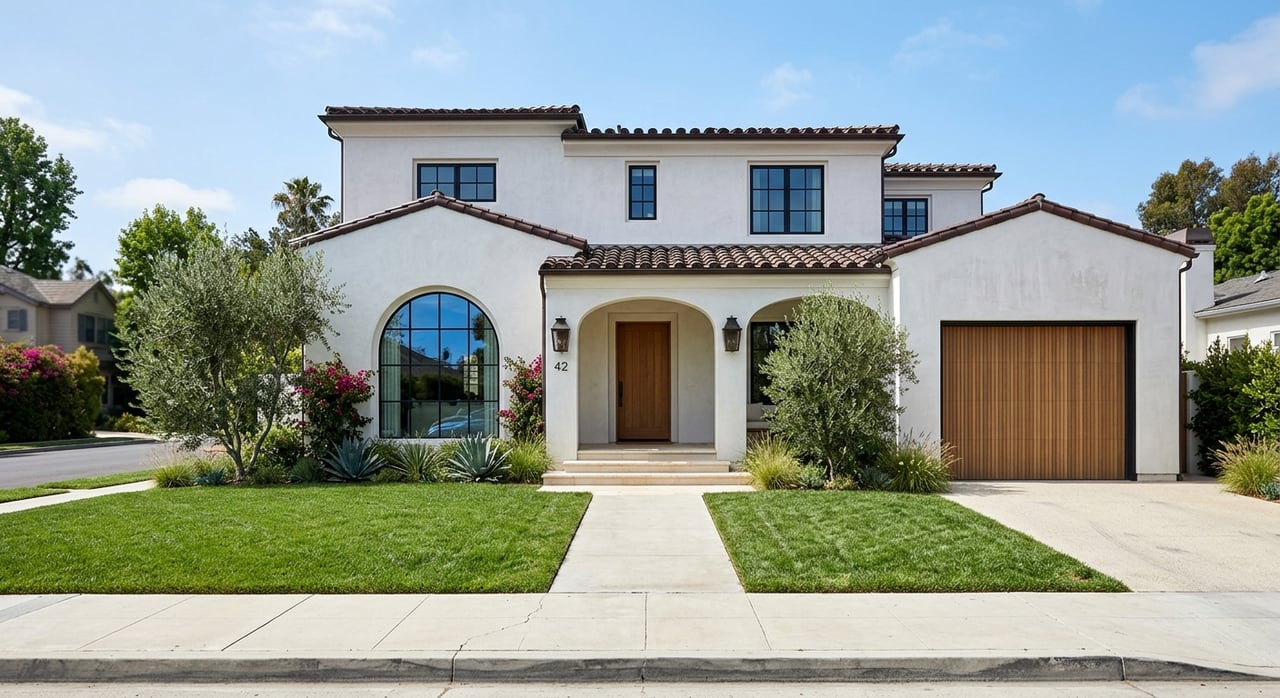
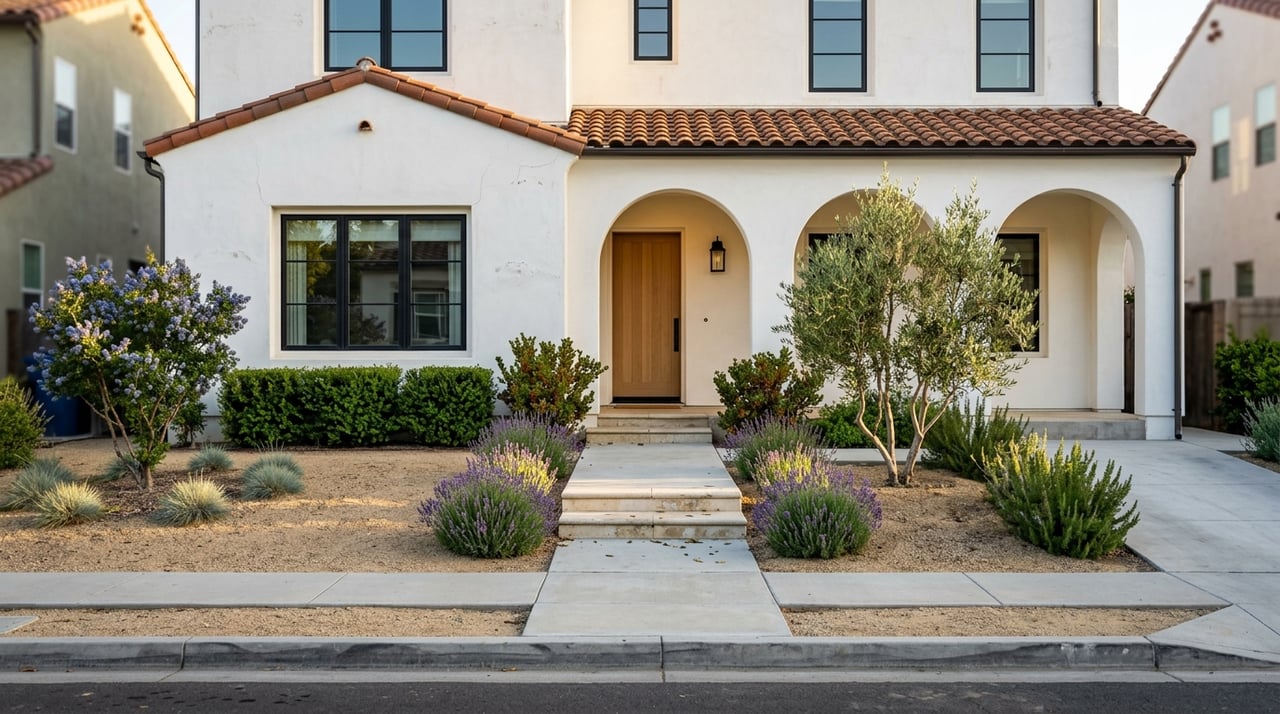
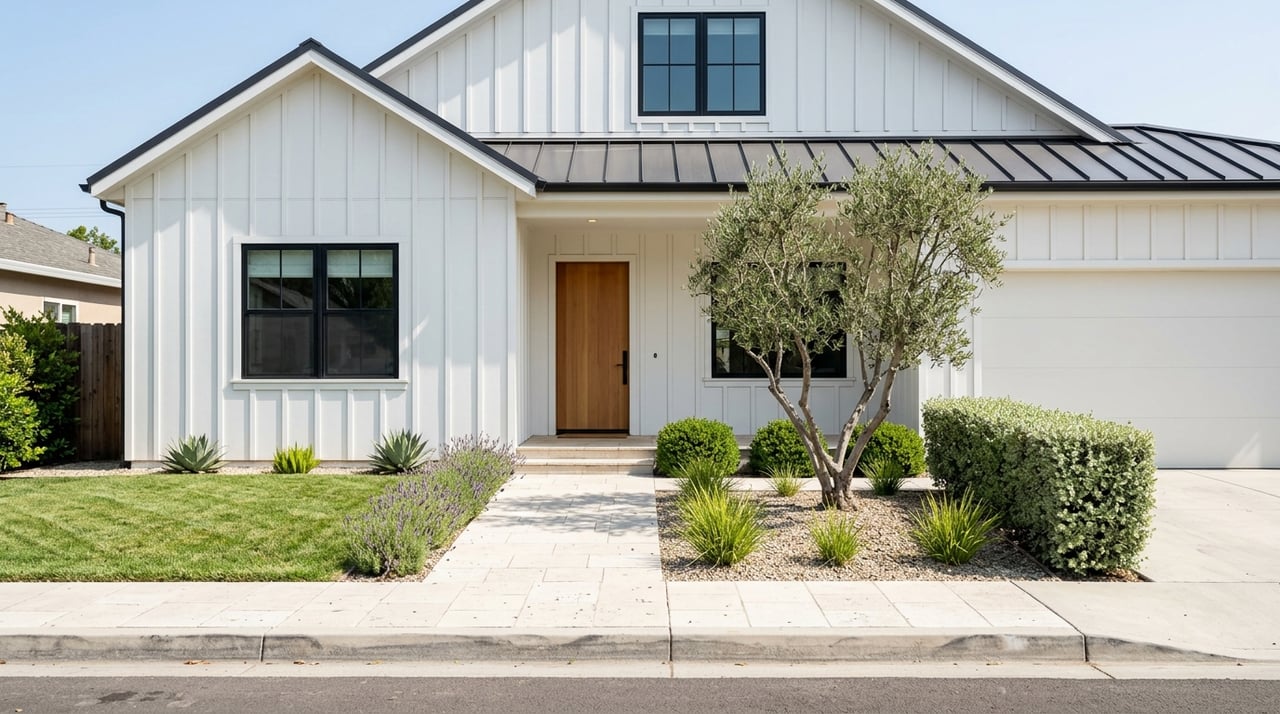
Fremont’s housing stock is varied. Neighborhood, lot size, and home age play a big role in both price and everyday feel.
When you are ready to refine numbers, use a live snapshot and compare nearby neighborhoods over the last 30 to 60 days. In a fast-moving market, ranges stay more useful than one precise figure.
Fremont Unified School District has several highly ranked public high schools. Mission San Jose High School is often recognized in statewide rankings. You can see a recent district highlight on high school performance in the Fremont Unified news page. Families also point to parks like Central Park and neighborhood playgrounds as everyday amenities that make life smoother.
For community events, you will find citywide festivals at Central Park and a steady rhythm of neighborhood activities. Niles hosts heritage events that echo the area’s silent film history, while downtown Fremont continues to add dining and retail energy.
If you want a suburban base with strong parks, a mix of historic and newer neighborhoods, and transit options to major job centers, Fremont delivers. You will trade some lot size or price to gain BART convenience in the south, while Mission San Jose and Glenmoor favor larger homes and yards. On weekends, you can push up to Mission Peak for a challenge or stroll the baylands for an easy reset. That balance is a big reason people stay.
If you are comparing options or fine-tuning a search, we can help you weigh neighborhood tradeoffs, confirm live pricing, and plan a clear path to offer. Our team also brings SB9 and zoning know-how to identify value that others miss, whether you are a move-up buyer or an investor exploring a lot split.
Ready to explore your Fremont fit or get a custom plan for selling or buying this year? Connect with Shawn Jahanbani & Lilly Yaz for data-backed guidance and a smooth, responsive experience.
Stay up to date on the latest real estate trends.
With 20 years in Bay Area markets, Shawn Jahanbani delivers zoning expertise, strategic property insight, optimization, and skilled negotiation to maximize value.