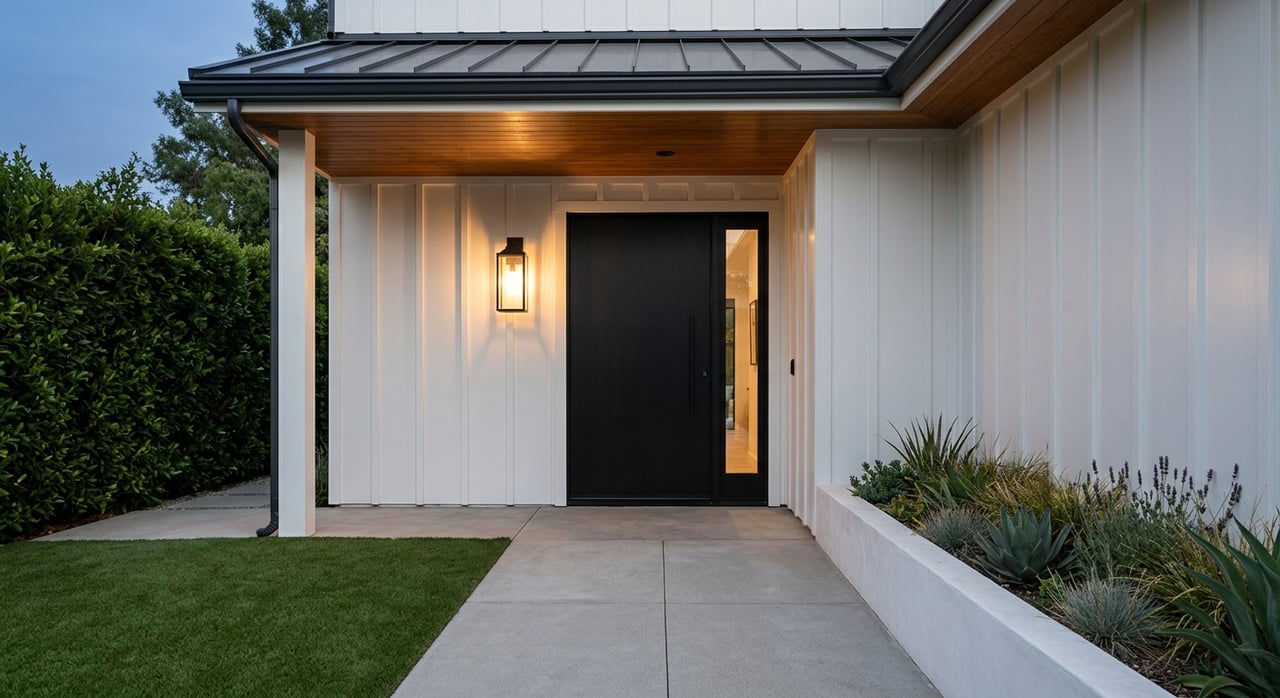
Selling a Home in San Jose With Smart Pricing and Timing
May 7, 2026
May 7, 2026
If you are thinking about selling in San Jose, one question matters more than almost any other: how do you price and launch your home so you do not leave money on the table? In a market that still leans toward sellers, the biggest wins often come from smart prep, accurate pricing, and strong timing, not guesswork. The good news is that when you understand what today’s San Jose data is really saying, you can make sharper decisions before your home ever hits the market. Let’s dive in.
San Jose remains a seller-leaning market, but the signal depends on which metric you are looking at. Realtor.com reported a $1.27 million median listing price in April 2026, along with a $1.46 million median sold price, 1,619 active listings, 26 median days on market, and a 102% sale-to-list ratio. Redfin’s March 2026 city report showed a $1.488 million median sale price, about 3 offers on average, and a 10-day median market time.
Those numbers point in the same direction even though the metrics differ. Buyers are active, well-positioned homes can move fast, and strong listings may still attract competition. But this is not a market where you can rely on a citywide average and expect the best result.
San Jose is not one uniform market. Realtor.com’s neighborhood data shows median listing prices around $899,888 in South San Jose, $939,500 in Central San Jose, about $1.75 million in Willow Glen and Cambrian-Pioneer, and roughly $2 million in West Valley and Almaden Valley.
That spread is exactly why your list price should come from neighborhood-level comparable sales, not a broad city headline. Lot size, condition, updates, permit history, and location details can all change where your home belongs in the market. A seller in Willow Glen should not price from South San Jose numbers, and a remodeled home should not be treated the same as one that needs work.
In San Jose, the first week matters. With homes selling in roughly 10 to 26 days depending on the source and submarket, buyers are often reacting quickly to new inventory. If your home enters the market above the likely comp range, you may lose the strongest burst of attention before you ever get a second chance.
County-level data from MLSListings helps reinforce that point. In Santa Clara County, single-family homes sold in 10 days at 104% of list price in January 2025, then 8 days at 109% in February, and 8 days at 108% in March. Demand was strong, but sellers were rewarded when homes were positioned well and launched into the right price band.
Not every improvement moves the needle the same way. Redfin’s spring 2026 home-trends data suggests buyers in San Jose respond especially well to features like large walk-in closets, new roofs, chef’s kitchens, single-level layouts, two full bathrooms, custom cabinetry, driveways, AC, and lawns.
This does not mean you need to renovate everything before listing. It does mean that if your home already has one or more of these features, they should be highlighted in the photos, listing copy, and showing strategy. Strong presentation helps buyers understand value faster.
Many sellers wonder whether they should remodel before listing. In most cases, the better move is to focus on practical updates that improve presentation and remove obvious objections. According to the 2025 remodeling report cited in your research, agents most often recommend painting the whole home, painting a single room, and installing a new roof before listing.
The same report found that projects like a new steel front door, closet renovation, and new fiberglass front door delivered some of the highest cost recovery. That is a useful reminder for San Jose sellers: first impressions and functional upgrades often outperform big, taste-driven remodels.
If you want to keep your prep plan focused, start here:
Large remodels may still make sense in select cases, especially if they solve a major condition issue or unlock a better presentation tier. But in many San Jose sales, clean, polished, and move-in ready beats expensive over-improvement.
Staging is not just about making a home look nice in photos. It helps buyers picture how the space functions. In the NAR 2023 profile referenced in your research, 81% of buyers’ agents said staging made it easier for buyers to visualize a property as a future home.
The most important rooms to stage were the living room, primary bedroom, and kitchen. The same body of research also noted the value of photos, videos, physical staging, and virtual tours, which matters because buyers often form their first impression online.
A later 2025 staging release found that 29% of agents said staging increased the dollar value offered by 1% to 10%, while 49% said it reduced time on market. In a market like San Jose, where the launch window is so important, that can be a meaningful advantage.
In San Jose, preparation is not only cosmetic. It is also about paperwork and disclosure readiness. The City of San Jose states that cosmetic-only kitchen or bath work typically does not require a permit, but electrical, plumbing, mechanical, and structural changes do.
The city specifically calls out examples such as outlets, EV chargers, water heaters, additions, garage conversions, solar panels, and certain exterior changes. If work was done without the proper permit, that can become both a disclosure issue and a negotiation issue once buyers start reviewing the file.
California transfer disclosure rules also require sellers to disclose alterations made without necessary permits or not in compliance with building codes. That means permit history is not something to sort out at the last minute.
Before listing, gather the records that can help support a smoother sale:
California’s Real Estate Transfer Disclosure Statement is not a warranty and is not a substitute for inspections. California law also requires natural-hazard disclosures for specified hazard zones, and if your home was built before 1978, known lead-based paint information must be disclosed before a sale contract is signed.
If you are doing work before listing, choose licensed trades carefully. The Contractors State License Board says contractor ads must include a state license number, recommends getting at least three written bids, and notes that down payments on home-improvement projects are limited to 10% of the contract price or $1,000, whichever is less, unless a blanket bond applies.
This is one of those areas where a little diligence can save you stress. Reliable vendor coordination helps keep your timeline on track and reduces the risk of rushed or incomplete work before launch.
Many sellers ask if they should wait for spring. Timing does matter, but it should be viewed as a balance between market opportunity and personal readiness. Zillow’s 2026 analysis found that San Jose’s strongest listing window was the first two weeks of February, when sellers saw a 3.1% premium, or about $53,800 on a typical home.
That is earlier than many other metros, which is an important local takeaway. Buyer demand often builds ahead of spring, especially as households try to move during summer and settle in before the next season of life changes. Still, life events and mortgage-rate swings can shift the picture, so there is no single perfect date for every seller.
In today’s San Jose market, your launch should be front-loaded. That means having photography, video, staging, disclosures, and pricing strategy ready before the listing goes live. Since citywide reports still show homes often moving in about 10 to 26 days and sale-to-list ratios around 102%, your earliest exposure may be your most valuable exposure.
A rushed launch can weaken results even in a strong market. A polished launch helps buyers engage quickly and confidently.
If you want a simple way to think about the process, focus on these three priorities:
That combination often creates the best chance of attracting serious buyers quickly and negotiating from strength.
For many San Jose homeowners, there is another layer worth considering too. Some properties have value tied not just to condition and presentation, but also to lot configuration, zoning context, or future use potential. A thoughtful pricing and marketing strategy should account for all of that before the home is introduced to the market.
If you are weighing when to sell, what to fix, or how to position your home in a neighborhood with fast-changing comps, working with a team that understands both presentation and property potential can make a real difference. Shawn Jahan can help you evaluate pricing, preparation, timing, and the details that may shape your best possible outcome.
Stay up to date on the latest real estate trends.
With 20 years in Bay Area markets, Shawn Jahanbani delivers zoning expertise, strategic property insight, optimization, and skilled negotiation to maximize value.