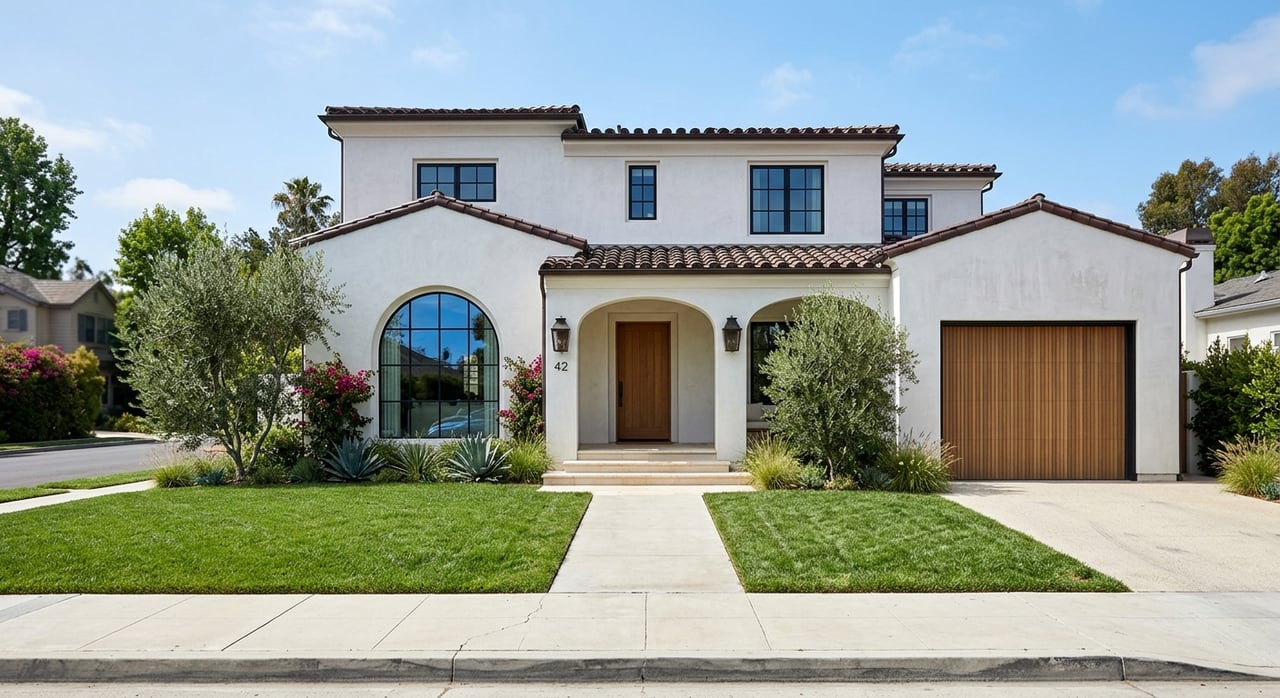
Los Gatos Neighborhoods Explained By Lifestyle And Home Style
July 2, 2026
July 2, 2026
Wondering which part of Los Gatos actually fits your day-to-day life, not just your wishlist? That is a smart question, because Los Gatos is not one-note. It blends a historic small-town core, postwar residential areas, hillside pockets, and newer infill development, which means your best fit often comes down to how you want to live and what kind of home you want to come home to. This guide breaks Los Gatos down by lifestyle and home style so you can compare the town in a practical, grounded way. Let’s dive in.
Los Gatos sits where the Santa Clara Valley meets the lower slopes of the Santa Cruz Mountains. That geography helps explain why the town feels like two places at once: part valley-floor community and part hillside community.
The Town of Los Gatos describes most of the town as single-family in character, with denser development near the southwestern core around Highway 17. As you move south and east into the hillsides, development becomes less dense. In simple terms, your daily experience can shift quite a bit depending on where you land.
A helpful way to look at Los Gatos is through two lenses: daily routine and house style. Some areas are better known for being close to errands, dining, and events, while others lean more toward quiet residential streets, open space, or a more tucked-away setting.
If you want the most convenience-first lifestyle in Los Gatos, downtown and the immediate core are the natural starting point. This is the area most closely tied to pedestrian-friendly errands, dining, cafes, and town events.
The Town identifies downtown as an active commercial center and notes that the Downtown Commercial Historic District includes the town’s earliest commercial intersection and part of its 19th-century commercial center. It also describes downtown as a regional destination, which helps explain why visitor activity and parking management are more noticeable here than in quieter residential pockets.
In and around the core, you will find part of Los Gatos’ historic fabric along with nearby residential streets that connect easily to downtown life. This area is less about one single housing type and more about proximity to the town’s oldest commercial and residential layers.
If your priority is being close to the energy of Los Gatos, this pocket usually stands out. If you prefer a more removed setting with less visitor traffic, you may want to look just beyond the immediate core.
If your idea of Los Gatos includes older streets, established landscaping, and period architecture, the historic residential districts just off downtown deserve a close look. The Town officially recognizes five historic districts: Almond Grove, Broadway, Fairview Plaza, University-Edelen, and the Downtown Commercial Historic District.
For many buyers, the strongest residential draw is the cluster of historic streets near downtown. These areas tend to appeal to people who want a clearly historic streetscape rather than newer suburban form.
The Town says Almond Grove was the first and largest subdivision after incorporation, created from about 40 acres of former orchard land. That origin story still shapes how people think about the area today.
From a lifestyle standpoint, Almond Grove offers classic Los Gatos character close to the historic core. From a housing-style perspective, it fits buyers who are drawn to older homes and an established neighborhood pattern rather than newer planned development.
Broadway was the first residential subdivision and the first residential street in Los Gatos, with lots laid out in 1881. The Town notes that early homes there still include cottages and a Victorian mansion, while the General Plan describes tree-lined streets and a mix of 19th- and 20th-century residential architecture.
That makes Broadway a strong fit if you want historic depth that you can see in the streetscape itself. It tends to appeal to buyers who value architectural variety and a setting that feels closely tied to the town’s early history.
Fairview Plaza stands out for its original cul-de-sac form and landscaped island. The Town says about three quarters of its homes were built before 1900 and describes the district as notable for well-maintained Victorian and Craftsman houses on a non-through street.
If you like the idea of a more tucked-in historic setting, Fairview Plaza offers a distinct version of that. The home style story here is especially clear, with older Victorian and Craftsman homes shaping the neighborhood identity.
University-Edelen grew from subdivisions that predated the turn of the century. Town design guidelines describe Victorian as the predominant style, along with informal wood-frame cottages, Craftsman and bungalow cottages, and smaller numbers of Colonial Revival homes.
This pocket is a good example of how Los Gatos history shows up in residential architecture. If you want a neighborhood where older home styles are a defining feature, University-Edelen gives you a strong architectural mix within that historic context.
In Los Gatos, historic character often comes with added review considerations. The Town says any structure built before 1941 may be historic, and all structures within the historic districts have potential historic status.
That does not make these homes less appealing. It just means buyers should understand that older properties may come with a different review context than newer homes. If you are comparing options, verifying whether a specific property sits in a historic district or special zone is an important step.
If you picture Los Gatos as trees, trails, and a more tucked-away residential feel, the hillside and open-space areas may be the best fit. The Town’s Community Design Element says development becomes less dense as it moves south and east into hillside areas.
The Hillside Residential zone is intended to support orderly development of the foothills and mountains while minimizing disturbance of natural terrain. That official framework helps explain why these areas often feel different from the busier valley-floor pockets.
The outdoor side of Los Gatos is not just scenic, it is mapped into the town’s open-space system. The Town maintains Heintz Open Space, Santa Rosa Open Space, and Shannon Valley Open Space.
Trails are also accessible from Belgatos Park off Blossom Hill Road. Oak Meadow Park, at University Avenue and Blossom Hill Road, connects to the Los Gatos Creek Trail, which can take you toward Vasona County Park or downtown. Bachman Park and La Rinconada Park add more options in other parts of town.
In these areas, lifestyle often comes first in the search. Buyers are usually drawn to the quieter setting, natural terrain, and access to open space, then narrow down by the specific home and lot.
This part of Los Gatos is less about one signature architectural period and more about lower-density placement and a different relationship to the landscape. If your routine leans toward trails, trees, and a more residential rhythm, these pockets are worth serious consideration.
Not every Los Gatos home sits in a historic district or hillside setting. The Town’s history ties a major growth wave to the 1950s, when Los Gatos grew primarily as a suburb of San Jose.
That postwar growth matters because it adds another major housing layer to the town. The General Plan specifically identifies post-World War II ranch houses as part of Los Gatos’ architectural mix.
If you prefer a more traditional suburban layout over a historic streetscape, postwar areas may feel more familiar. These homes are part of the town’s broader residential fabric and help bridge the gap between the oldest neighborhoods and more recent infill development.
For some buyers, a ranch-style or mid-century-era home offers a simpler match for everyday living. It can also be a practical option if you want Los Gatos without focusing your search only on the historic core.
If your top priority is newer construction or a more recently built home, it helps to think of that as a townwide layer in Los Gatos rather than one single classic neighborhood. The Town describes Los Gatos as having newer postmodern homes and commercial buildings alongside its older housing stock.
That means newer homes often show up through infill projects, redeveloped sites, or planned-development areas instead of defining the town as a whole. Your search may be more property-specific here.
One concrete example is the North 40 Specific Plan Area, which covers about 44 acres bounded by Highway 85, Lark Avenue, Highway 17, and Los Gatos Boulevard. The adopted plan envisioned a mix of housing and commercial uses.
For buyers, that is useful because it shows how newer development fits into Los Gatos. It is less about a historic neighborhood pattern and more about planned growth, updated housing, and mixed-use context.
Focus first on downtown Los Gatos and the immediate core. This is the pocket most closely associated with dining, cafes, shopping, and events.
Look closely at Almond Grove, Broadway, Fairview Plaza, and University-Edelen. These areas are the clearest fit for buyers who want period architecture and a visible sense of town history.
Explore the hillside and open-space areas. These pockets line up best with a residential routine centered on lower density, trees, and outdoor access.
Postwar and ranch-style areas may be the right fit. They represent an important part of Los Gatos’ 1950s growth pattern and offer a different feel from the historic core.
Think in terms of infill and specific-plan areas rather than a single neighborhood label. North 40 is one clear example of how newer housing and mixed-use development appear in Los Gatos.
Choosing the right part of Los Gatos usually comes down to one simple question: How do you want your day to feel? Once you answer that, the home-style choices tend to become much easier to sort through.
If you want help comparing specific streets, historic districts, hillside locations, or newer infill opportunities in Los Gatos, Shawn Jahan can help you evaluate the tradeoffs clearly and find the best fit for your goals.
Stay up to date on the latest real estate trends.
With 20 years in Bay Area markets, Shawn Jahanbani delivers zoning expertise, strategic property insight, optimization, and skilled negotiation to maximize value.