Living in Newark CA: What to Know About Daily Life
June 11, 2026
June 11, 2026
Wondering if Newark is the right Bay Area fit for your next move? If you want a city that keeps you connected to Silicon Valley, offers mostly suburban housing, and gives you practical day-to-day convenience, Newark deserves a closer look. Here’s what you should know about housing costs, commute patterns, and daily life so you can decide whether Newark matches your goals. Let’s dive in.
Newark is a mid-sized city in Alameda County with 47,529 residents and about 15,252 households. It has a strong ownership presence, with 69.4% of homes owner-occupied, which helps explain why many buyers see Newark as a place to put down roots rather than a purely transitional market.
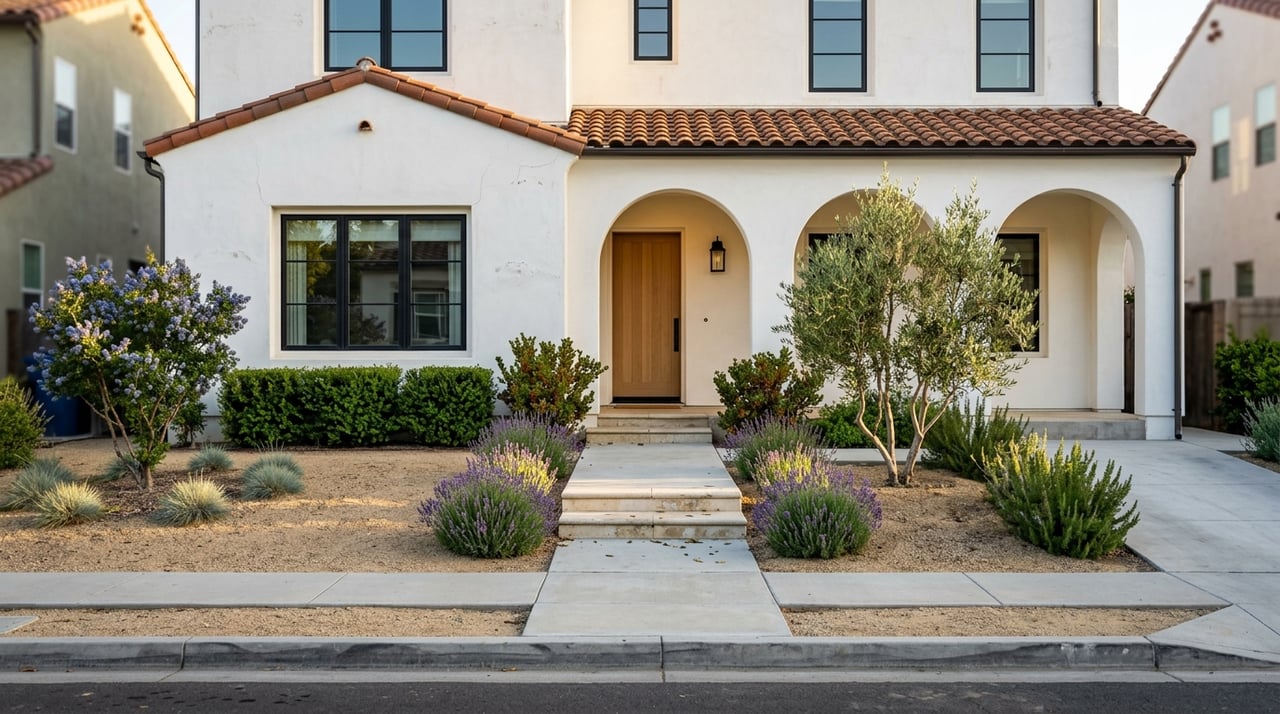
In day-to-day terms, Newark feels like a practical East Bay suburb. You are close to Fremont and Union City, near major commute routes, and surrounded by a housing stock that is still largely suburban in form.
If you are thinking about buying in Newark, the first thing to know is that this is still a high-cost Bay Area market. Census QuickFacts reports a median value of owner-occupied homes at $1,142,800, while Zillow’s current tracker places average home value at $1,253,585.
For renters, Newark is not exactly a bargain either. Census data puts median gross rent at $2,776, and Zillow reports average rent around $2,809. That means whether you plan to rent or buy, your monthly housing budget matters here.
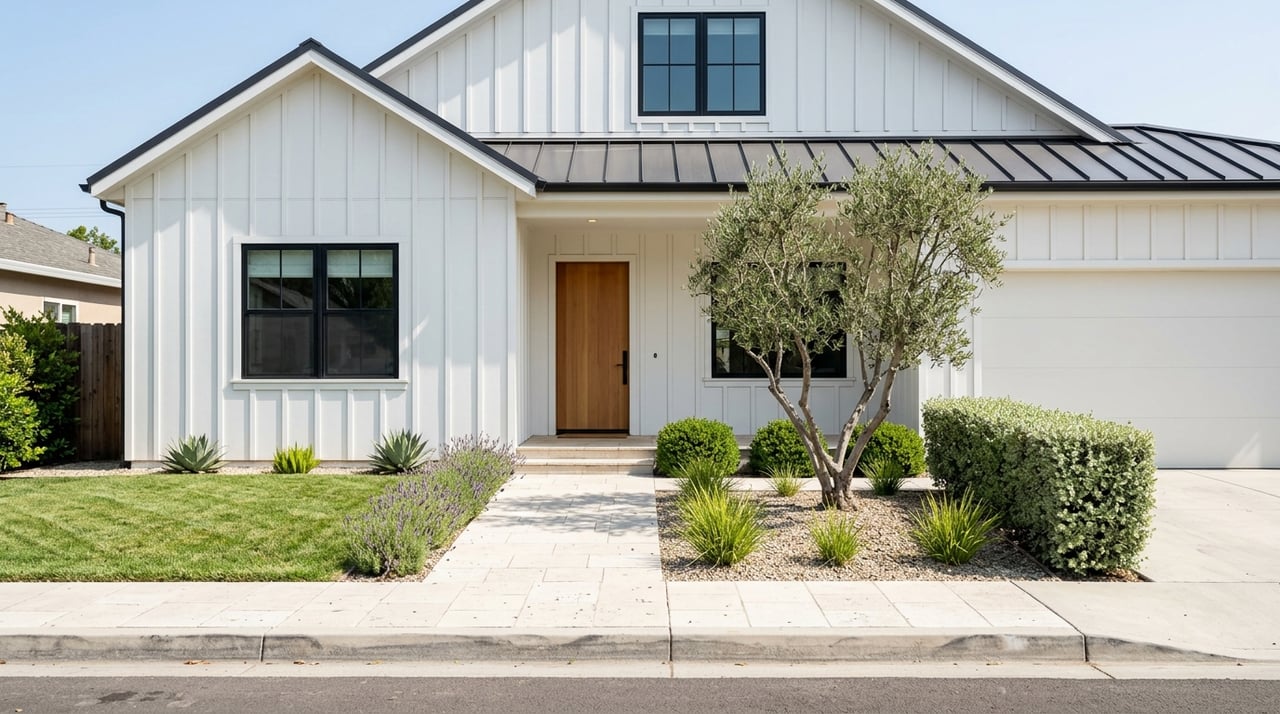
Newark’s housing stock is mostly made up of detached single-family homes. According to the city’s housing data, 69.6% of homes are detached single-family, 9.5% are attached single-family, 4.4% are multifamily buildings with two to four units, and 16.5% are multifamily buildings with five or more units.
That mix gives Newark a more traditional suburban feel than some denser Bay Area locations. If you want a neighborhood with more standalone homes, driveways, and established residential blocks, Newark lines up with that preference better than many nearby urban centers.
A large share of Newark’s housing was built between 1960 and 1979. The city’s housing element also notes that only 4.9% of the housing stock was built after 2010.
For you as a buyer, that can mean a few things. Some homes may show their age, some may have already been updated, and others may offer remodel potential. If you are comparing homes, it helps to look beyond surface finishes and think about lot use, layout, and long-term value.
Newark sits in an interesting price position in the East Bay. Zillow places Newark below Fremont, where average home value is about $1.47 million, and above Hayward, where average home value is about $847,838. It is also close to Union City, which is around $1.21 million.
That makes Newark expensive, but not the highest-priced option in its immediate corridor. For buyers trying to stay connected to Silicon Valley or cross-Bay job centers, Newark can feel like a middle ground between access and price.
Newark is not standing still. The city’s housing planning says Newark must plan for at least 1,874 units by 2031, with realistic capacity for 2,854 units.
A good share of that future growth is expected around NewPark Place, Old Town, and Bayside Newark. For you, that signals a city that is likely to add more mixed-use and infill housing in key areas instead of expanding outward in a classic sprawl pattern.
This matters whether you are buying a home to live in or thinking about long-term resale. Areas near planned growth nodes often change the fastest in terms of convenience, housing options, and neighborhood feel.
Newark is a car-first city. The city says the most convenient way to travel is by car, with direct access to Interstate 880 and State Route 84 via the Dumbarton Bridge.
If your work or routine takes you across the Bay or toward Silicon Valley, that location is one of Newark’s biggest practical advantages. It is one reason the city appeals to buyers who want East Bay living without giving up regional access.
Census QuickFacts reports Newark’s mean one-way commute time at 30.6 minutes. Of course, your actual drive can vary widely depending on route, timing, and whether you are heading toward major employment centers.
Still, that figure gives you a useful baseline. Newark is a city where regional commuting is part of daily life for many households.
Newark does not have its own BART station. Most residents who use BART typically connect through nearby Fremont or Union City stations.
AC Transit helps bridge that gap. The city highlights Line 200, which links Fremont BART, NewPark Mall, central Newark, and Union City BART, and Line 251, which runs between Fremont BART and Ohlone College Newark Campus and the Silliman Center.
If you want rail-adjacent options beyond BART, the city also points to nearby Fremont Centerville Station, which is served by Amtrak Capitol Corridor and ACE. For some commuters, that adds another layer of flexibility.
Daily life in Newark is not just about commuting and housing costs. The city has a meaningful parks and recreation system that gives residents space to stay active and enjoy time outdoors.
City materials describe Newark as having 15 parks and sportsfield facilities. The 2024 Citywide Parks Master Plan says the Recreation and Community Services Department operates 134 acres of city parks and facilities, including 124 city-owned acres and 10 leased acres.
Newark offers a mix of neighborhood parks and larger community amenities. The recreation system includes the Silliman Activity & Family Aquatic Center, the Clark W. Redeker Newark Senior Center, and the Newark Community Center.
You will also find smaller parks and activity-focused spaces spread across the city. These include Birch Grove Park, Community Center Park, Lakeshore Park, and Mayhews Landing Park, along with sports courts, play areas, picnic spaces, and open areas.
A few amenities stand out for specific interests:
For many buyers, this kind of park access helps balance out the pace of Bay Area work life. It gives you practical places for exercise, play, and routine weekend downtime.
One of Newark’s biggest outdoor advantages is its access to the Don Edwards San Francisco Bay National Wildlife Refuge. The refuge manages more than 30,000 acres of public lands and 38 miles of trails.
That gives you a very different kind of outdoor experience than a neighborhood park. If you enjoy walking, birding, or spending time near open bayfront landscapes, this is a major lifestyle asset nearby.
Newark’s daily rhythm is shaped by a few distinct activity areas. NewPark Mall remains the city’s primary retail and entertainment destination, while Old Town Newark offers a more historic and local-feeling setting.
Together, those areas help explain Newark’s character. It is not just one thing. You get a city with established suburban housing, major retail convenience, and some areas that are clearly evolving.
NewPark Mall is a major piece of Newark’s identity. The mall describes itself as a 1.1-million-square-foot enclosed regional center with shopping, dining, and entertainment uses.
The city also says it serves customers across southern Alameda County and northern Santa Clara County. On top of that, the NewPark Place plan shows more retail, restaurant, and mixed-use development planned around the area, which suggests this part of Newark will remain a focal point.
Old Town Newark gives the city a different texture. The city describes it as Newark’s historic heart, with older housing, local restaurants, and small manufacturing uses.
Its specific plan aims to strengthen the area as a mixed-use neighborhood with more housing choices, stronger retail and commercial activity, and a more pedestrian- and bicycle-oriented streetscape. If you are looking for a part of Newark that feels more layered and less purely suburban, Old Town is worth understanding.
The Bayside Newark plan points to a 200-acre future neighborhood centered on housing, recreation, neighborhood retail, employment, and a proposed commuter rail station. The city says the goal is a walkable town where shopping and recreation can be reached on foot or by bike.
That long-range vision matters because it shows where Newark may be heading. Over time, the city could offer more mixed-use nodes and a broader range of housing and lifestyle options in key districts.
Newark can make sense if you want a suburban setting with solid regional access. You may especially appreciate it if your priorities include:
At the same time, it helps to go in with clear expectations. Newark is still expensive by most standards, many homes are older, and commuting often depends on driving.
That is why market guidance matters here. Whether you are buying your first Bay Area home, moving up, or looking at a property with value-add potential, Newark rewards a detailed look at condition, location, and future area growth.
If you are exploring Newark and want help comparing neighborhoods, evaluating older housing stock, or understanding where future growth may influence value, working with a local team can make the process much clearer. Shawn Jahan can help you navigate the Newark market with practical advice tailored to your goals.
Stay up to date on the latest real estate trends.
With 20 years in Bay Area markets, Shawn Jahanbani delivers zoning expertise, strategic property insight, optimization, and skilled negotiation to maximize value.