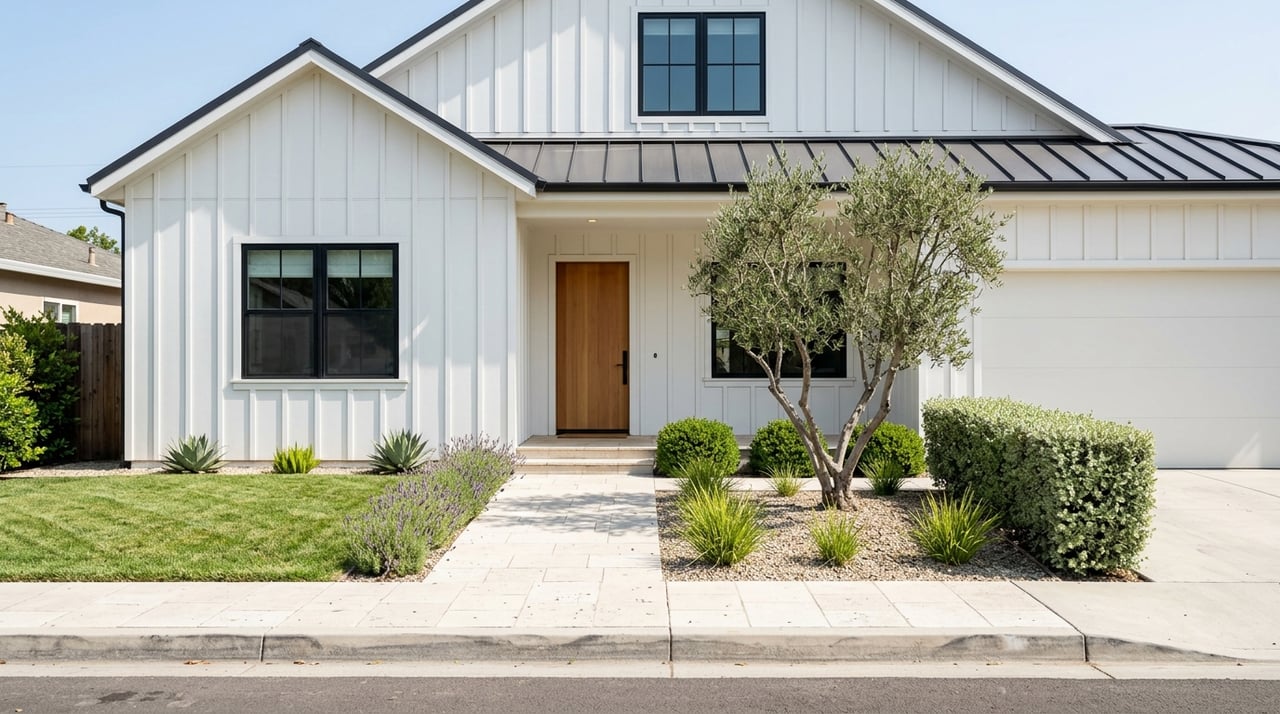
Smart Preparation For Selling Your Campbell Home
June 4, 2026
June 4, 2026
Thinking about selling your Campbell home? In a market where many homes sell quickly and a large share close over asking, it is easy to assume you can list as-is and let the market do the work. But Campbell’s housing stock includes many older homes, and that means condition, function, and paperwork can matter just as much as great photos. If you want a smoother sale and a stronger result, smart preparation is where you start. Let’s dive in.
Campbell remains a high-price, relatively tight market. Recent market data shows an average home value near $1.98 million, with many sales closing over list price and homes moving in about 11 days on market over a recent three-month period.
That kind of demand is encouraging, but it does not mean every home gets the same response. Buyers still compare condition, layout, comfort, and visible upkeep. In Campbell, where much of the housing stock was built from 1960 to 1979, practical issues like roof age, HVAC performance, plumbing, electrical updates, drainage, and permit history can shape how buyers view value.
Before you spend money on cosmetic upgrades, look at the basics. A fresh coat of paint helps, but it will not distract buyers from leaks, worn systems, or signs of deferred maintenance.
For many Campbell sellers, the best first step is to review the home as a buyer would. Ask yourself whether the property feels solid, functional, and well cared for. If not, your prep budget usually works harder when it goes toward the issues buyers notice quickly during tours and inspections.
If you are deciding where to invest, start here:
These items affect buyer confidence. In a strong market, buyers may move fast, but they still hesitate when a home feels like it comes with unknown risk.
If you have owned the home for a short time or completed work recently, start collecting documents now. California law requires specific disclosures, and sellers who accept an offer within 18 months of taking title must disclose additions, structural modifications, alterations, or repairs made since taking title, along with contractor names and contact information for qualifying work.
Even when that rule does not apply, organized records help. Permits, invoices, contractor details, and dates of work can make your listing feel more transparent and easier for buyers to trust.
Once systems and repair items are addressed, move to the visible improvements that help your home show well. Buyer research points to comfort and efficiency features, including heating and cooling costs plus windows, doors, and siding, as meaningful factors.
That does not mean you need a full remodel. In many cases, a cleaner, brighter, better-maintained home outperforms a home where the seller spent heavily in the wrong places.
For most Campbell homes, the next round of prep should focus on practical refreshes like:
These changes help buyers focus on space, layout, and livability. They also support stronger listing photos, which matter because many buyers form their first impression online.
Full luxury remodels are not always the smartest move before listing. If a kitchen or bathroom is functional and presentable, a gut renovation may not deliver the best return compared with targeted fixes, clean presentation, and staging.
That is especially true when the home’s main issues are condition and maintenance, not style alone. In Campbell, a well-prepared home often benefits more from solving visible defects and improving presentation than from chasing high-end finishes that do not change function.
Staging can help buyers connect with your home faster. National staging research found that staged homes were more likely to receive offers that were 1% to 10% higher, and many agents reported faster sales.
If you are staging selectively, focus first on the rooms buyers care about most:
These spaces shape how buyers remember the home. Clean sightlines, balanced furniture, and a calm, neutral look can make rooms feel larger and easier to understand.
If you do only one thing before photos and showings, declutter. Remove excess furniture, personal collections, crowded shelves, and anything that makes storage feel tight.
Decluttering helps buyers see the home, not your stuff. It also makes deep cleaning, staging, and photography more effective.
Some Campbell homes are older and may fall within areas or categories that matter for historic preservation review. The city’s historic preservation program is designed to retain architectural integrity and small-town character in historic residential neighborhoods.
If your property is a designated historic-resource building, visible exterior changes should be reviewed by the Planning Department. That includes projects like repainting, re-siding, replacing windows, or making other exterior updates.
It is easy to assume exterior prep is simple. But if you start visible exterior work without checking status first, you could create delays or unnecessary complications.
Before moving ahead with major exterior changes on an older Campbell home, verify whether the property appears on the city’s Historic Resource Inventory or is identified as potentially eligible. This is one of the smartest ways to avoid wasted time and money.
A clean listing process starts well before the home goes live. California’s disclosure rules generally apply to transfers of single-family residential property, and the Real Estate Transfer Disclosure Statement must be completed on the statutory form.
For sellers, this means preparation is not only about looks. It is also about organizing facts, documents, and known property information so there are fewer surprises once you are in contract.
Because Campbell has many older homes, lead-based paint rules can matter. For target housing, sellers must provide the lead-hazard pamphlet, disclose known lead hazards, and give buyers a 10-day opportunity to inspect unless both parties agree otherwise in writing.
Environmental hazard guidance can also cover issues such as asbestos, radon, lead, formaldehyde, tanks, and contaminated soil or water. You do not need to guess your way through this. The key is to gather what you know, organize records, and make a clear plan before marketing begins.
Some homes may require additional notices depending on location and condition. For example, a fire-hazard disclosure can apply to homes in high or very high fire hazard severity zones that were built before January 1, 2010.
This is another reason early prep matters. When disclosures, repair decisions, and records are organized in advance, your sale is usually easier to manage once offers arrive.
If you want a simple way to think about selling prep, use this order of operations:
Address leaks, system issues, drainage problems, electrical or plumbing defects, and obvious maintenance concerns first. These are the issues most likely to raise red flags.
Gather permits, contractor invoices, dates of work, and any repair history. If your home is older, include lead-related paperwork where applicable and review whether any additional disclosures may apply.
Before repainting, changing siding, replacing windows, or making other visible exterior updates on an older home, confirm whether historic review may be required.
Paint, lighting, landscaping, hardware, and deep cleaning can make a big difference without overbuilding the budget.
Prioritize the living room, primary bedroom, and kitchen. Then make sure the home is photo-ready, uncluttered, and easy to walk through.
You do not need to turn your Campbell home into a brand-new house to sell well. In many cases, the smartest strategy is to make the home feel cared for, comfortable, and easy to understand.
That means solving the issues buyers worry about, avoiding unnecessary upgrades, and presenting the property in a clean, polished way. When you pair that with organized disclosures and a clear pricing and marketing plan, you give yourself a better shot at a smooth sale and a strong outcome.
If you are preparing to sell and want help deciding what is worth doing before you list, Shawn Jahan can help you build a practical prep plan, coordinate vendors, and position your Campbell home for the market.
Stay up to date on the latest real estate trends.




With 20 years in Bay Area markets, Shawn Jahanbani delivers zoning expertise, strategic property insight, optimization, and skilled negotiation to maximize value.