How To Choose The Right Fremont Neighborhood For Your Next Home
June 18, 2026
June 18, 2026
Choosing a Fremont neighborhood can feel harder than choosing the house itself. One area may offer a classic ranch layout, another may put you closer to BART, and another may lean more toward larger lots and a quieter residential pattern. If you want to narrow your search with more confidence, it helps to compare Fremont the way the city itself does. Let’s dive in.
A smart way to compare Fremont is to look at housing product first and neighborhood identity second. Based on the city’s planning patterns, buyers often narrow their options by deciding whether they want a larger-lot detached home, a postwar ranch house, a small-lot or attached home, or a higher-density mixed-use setting.
That matters because Fremont is not a one-note market. The city’s planning framework identifies 28 distinct neighborhoods, but many buyers can make faster progress by focusing on the bigger comparison buckets: Centerville, Irvington, Mission San Jose, Niles, North Fremont, South Fremont, Warm Springs, and Downtown.
Fremont’s own maps group neighborhoods into recognizable residential pockets. That gives you a practical way to compare areas without getting lost in smaller sub-neighborhood details too early.
Here is the simplest way to think about the main options:
If you want a lower-density single-family setting, Mission San Jose and nearby areas like Weibel and Mission Hills stand out. The city describes this part of Fremont as mostly single-family neighborhoods, often with greenbelts and private open space, with many homes built from the 1970s through the 1990s.
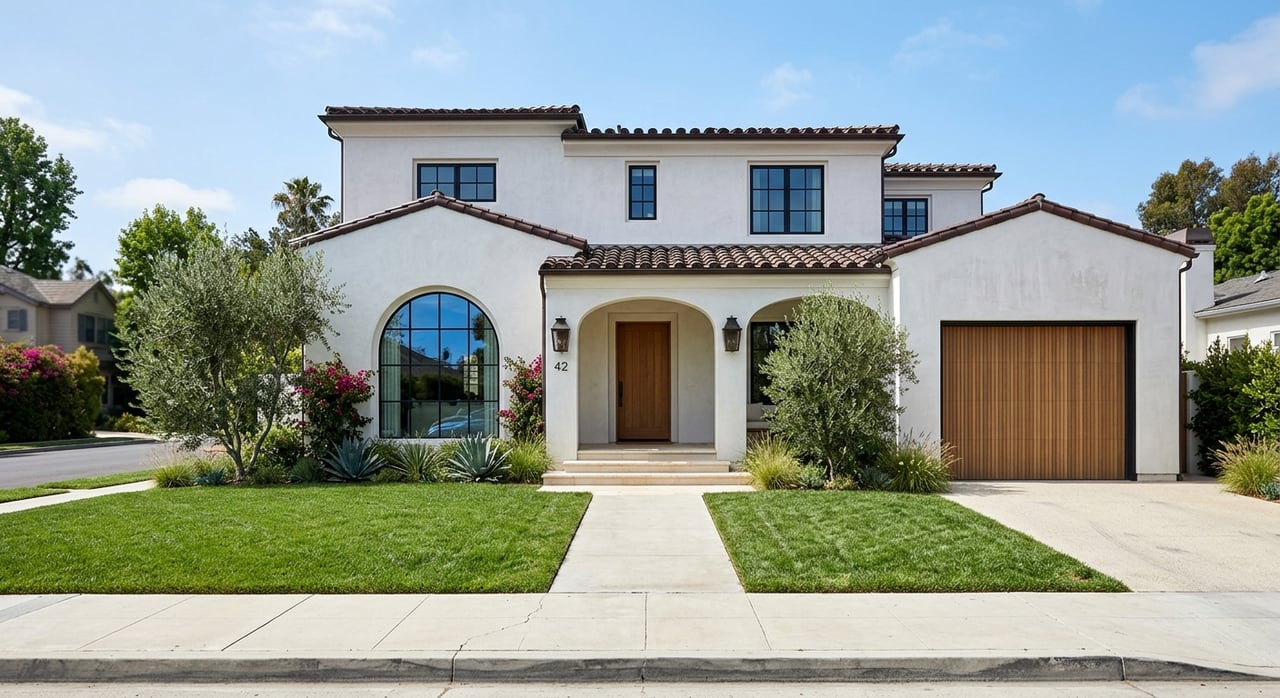
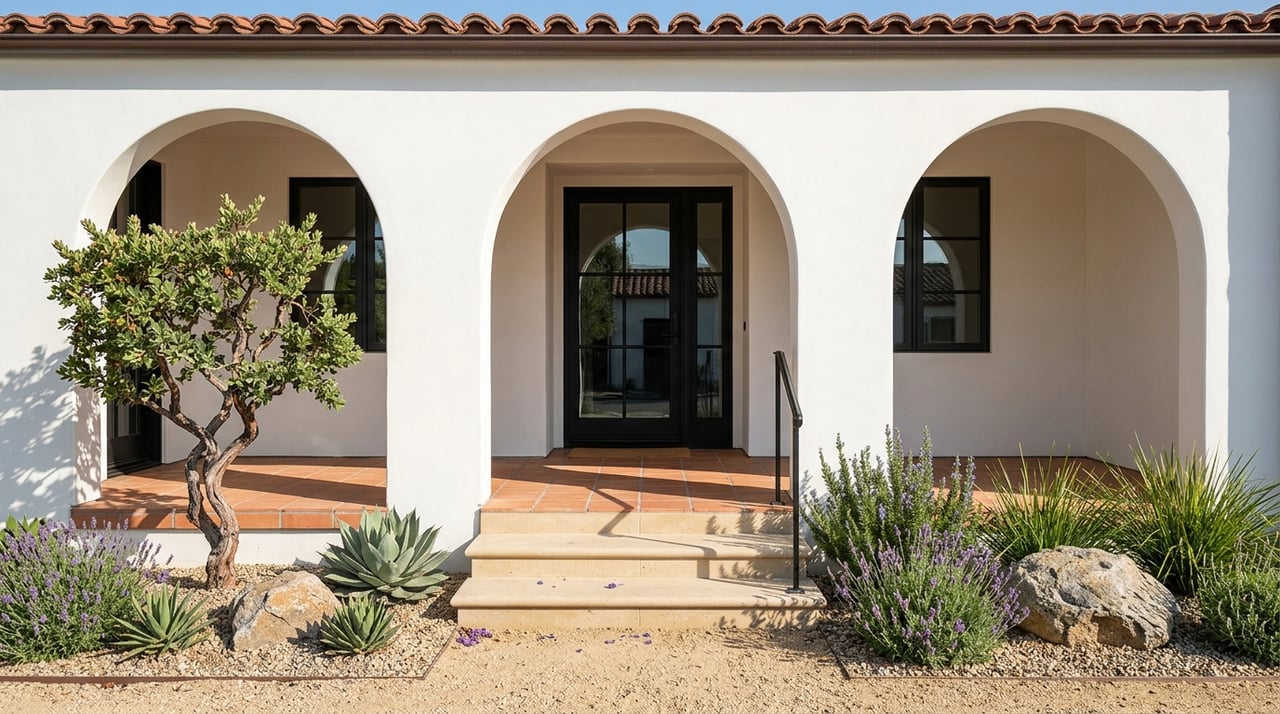
Homes here also tend to be larger than in other parts of Fremont. The area is often associated with Mission or Mediterranean-inspired design, which gives it a distinct visual identity compared with Fremont’s more classic ranch or attached-home districts.
If you are considering hillside parcels east of I-680, keep in mind that the city applies additional review through Measure A and the Hillside Combining District. For some buyers, that means more protection of area character and terrain. For others, it means a little more complexity if lot constraints matter to your long-term plans.
Centerville and nearby Glenmoor, Cabrillo, and Brookvale are strong fits if you like classic postwar neighborhoods. The city treats this group as one of Fremont’s most recognizable residential pockets, and Glenmoor Gardens is specifically described as a postwar ranch-house subdivision with a low, mostly single-story scale.
This is also one of the clearest examples of how lot standards can shape neighborhood feel. In Glenmoor Gardens, the city’s standards call for a minimum 6,000-square-foot lot, 55-foot width, and 100-foot depth. That kind of framework helps explain why the area reads as spacious and consistent from block to block.
Centerville also benefits from transportation connections and an active corridor near Fremont Boulevard. The city ties the area to the Centerville Train Depot, ACE, Capitol Corridor/Amtrak access, and local shopping areas.
Irvington, along with Blacow, Sundale, and 28 Palms, is often a solid middle-ground option. Instead of feeling like a single-product neighborhood, it offers an older mixed housing area with homes dating from the 1950s through the 1980s, newer infill on scattered sites, and multifamily development along major thoroughfares.
For many buyers, that mix can be a plus. If you want central Fremont access, a broader range of price points and home types, and a neighborhood with visible long-term planning activity, Irvington is worth a close look.
The city also expects much of the area’s future growth in the town center and future BART station area. That makes Irvington especially relevant if you are balancing current convenience with possible long-term change.
If your priority is convenience, Downtown Fremont and City Center are the clearest fit. The city describes Downtown as the most urban part of Fremont, with close access to Fremont BART, the Fremont Hub, Gateway Plaza, Central Park, and major medical centers.
This is the area to watch if you prefer mixed-use living and shorter errand chains. The city’s planning for the broader City Center area supports substantial commercial and residential growth, which reinforces Downtown’s role as Fremont’s most urban residential option.
For buyers who do not want a large yard or a highly car-dependent setup, this part of the city can simplify daily life. It is less about preserving a traditional detached-home pattern and more about access and ease.
Warm Springs and South Fremont are Fremont’s leading transit-oriented growth districts. The city’s community plan covers 879 acres bounded by I-880, I-680, Auto Mall Parkway, and Mission Boulevard, and it centers on the Warm Springs/South Fremont BART station.
The city says high-intensity land uses in this district should support walking and biking within a half-mile of the station. The area includes mixed-density housing west of I-680 and less-dense neighborhoods east of the freeway.
If you are commute-focused, this district deserves attention. It can also appeal if you want to be in an area with visible long-term planning activity rather than a neighborhood focused mainly on preserving existing character.
North Fremont, including Ardenwood and Lakes and Birds, offers a more suburban and spread-out feel. The city notes that Ardenwood introduced small-lot single-family homes at scale, including patio homes and zero-lot-line homes, while the broader area also includes townhomes, condominiums, garden apartments, two-family duets, and ranch-style homes.
That variety can be useful if you want options beyond a standard detached tract house. It is also a part of Fremont where access to outdoor destinations stands out, including Ardenwood Historic Farm, Coyote Hills, Quarry Lakes, and the Baylands.
The trade-off is that the city describes commercial uses here as mostly auto-oriented, with limited shopping within walking distance. If you value open-space access more than a walkable errand pattern, that may be an acceptable exchange.
Niles is Fremont’s clearest choice if you want historic character and a compact, small-town feel. The city describes it as having a pedestrian-oriented business district, low traffic volumes, a strong sense of community, and homes near the historic core dating from the 1880s to the 1930s.
You will also find a mix of mid-20th-century and newer residential areas beyond the historic center. The city highlights Niles Town Plaza and historic parks, and its design rules for infill outside the town center aim to respect existing scale.
For buyers, that means Niles often feels more rooted in place than some of Fremont’s larger planned districts. If charm and street pattern matter to you, it can be one of the most distinct options in the city.
Once you know your preferred home type, the next step is to compare how you want your week to function. In Fremont, commute convenience and daily errands do not always point to the same neighborhood.
For rail-linked access, the strongest nodes are:
For daily errands and neighborhood feel, the city’s standouts are a little different. Downtown/City Center offers the broadest amenity base, while Mission San Jose, Niles, and Irvington stand out for town-center or corridor-based convenience.
If you are comparing homes that seem similar on paper, lot scale can be the tie-breaker. Fremont’s area-specific standards offer useful clues about how each neighborhood tends to sit and feel.
For example, Glenmoor Gardens uses a 6,000-square-foot minimum lot area. Mission Ranch uses 8,000 square feet. The Mission San Jose neighborhood conservation area uses a 50-foot minimum lot width and 150-foot minimum depth, while Niles uses a 6,000-square-foot minimum lot area with a 55-foot minimum width and 100-foot minimum depth.
That is one reason citywide averages are often less helpful than neighborhood-level standards. If your priorities include yard size, spacing between homes, or long-term flexibility, lot pattern deserves real attention.
One of the most useful ways to choose a Fremont neighborhood is to ask a simple question: do you want an area with more established character, or one with more visible future change?
According to the city’s planning activity, Warm Springs/South Fremont, Downtown/City Center, and the Irvington station area are the places with the most visible long-term growth planning. Mission San Jose, Glenmoor, and Niles are more oriented toward preserving existing character and controlling infill.
Neither choice is better across the board. It just depends on whether you want a neighborhood that feels more settled today or one that may continue evolving around transit, housing, and commercial activity.
If you are touring Fremont for the first time, try ranking neighborhoods in this order:
That process usually makes the shortlist much clearer. It also helps you avoid falling in love with a single listing before you have confidence in the neighborhood fit.
Buying in Fremont is rarely just about square footage. It is about finding the right mix of home type, access, neighborhood pattern, and future trajectory for the way you want to live.
If you want help narrowing your Fremont search with a practical, neighborhood-by-neighborhood strategy, connect with Shawn Jahan. You will get clear guidance, responsive support, and insight that helps you compare options with more confidence.
Stay up to date on the latest real estate trends.
With 20 years in Bay Area markets, Shawn Jahanbani delivers zoning expertise, strategic property insight, optimization, and skilled negotiation to maximize value.